


2027 Porsche 911 Carrera Cabriolet vs 2027 Chevrolet Corvette Stingray Convertible
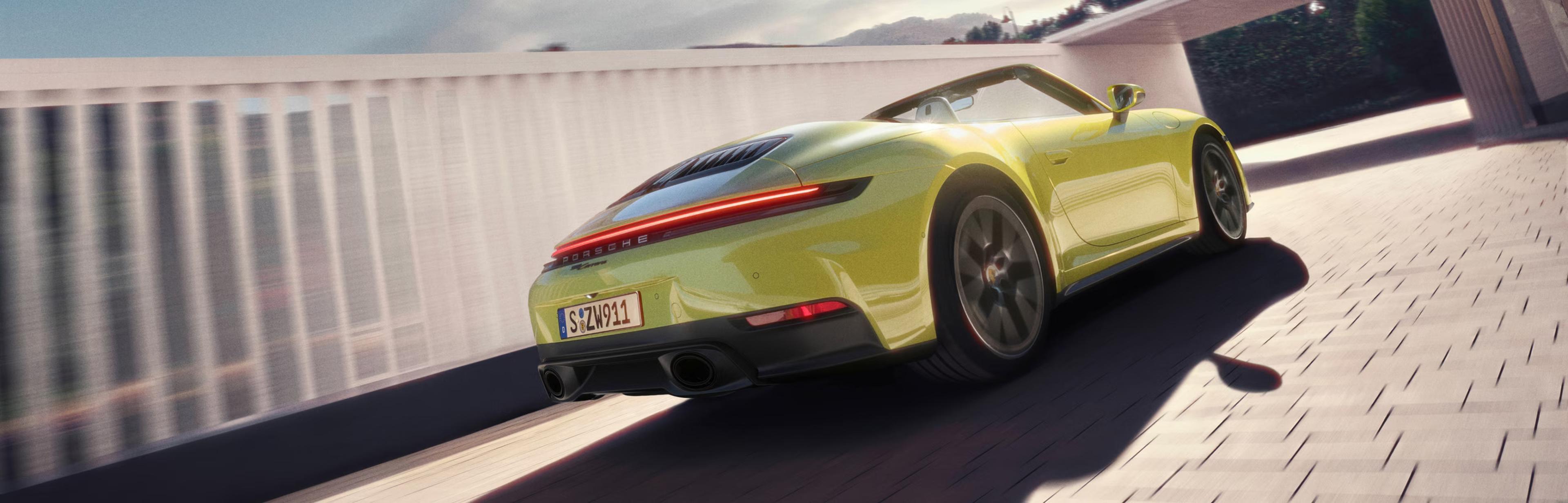
The 2027 Porsche 911 Carrera Cabriolet posts a 4.1-second 0-60 mph run and a 181 mph top track speed from a 388 hp flat-six. The Corvette Stingray Convertible answers with 535 hp and 520 lb-ft from a 6.7-liter V8, offering a different philosophy entirely. This page walks through every key dimension of that decision, and 911 Carrera Cabriolet models in inventory.
The Short Answer
The 911 Carrera Cabriolet is the choice for the driver who values a 75-year lineage of rear-engine engineering, an open-air body that seats four, and a warranty that covers four years or 50,000 miles across every component. The Corvette Stingray Convertible wins on raw horsepower and frontal V8 drama, and it suits the buyer whose primary goal is maximum output per dollar. Neither answer is wrong, but they serve genuinely different intentions.
Performance and Powertrain
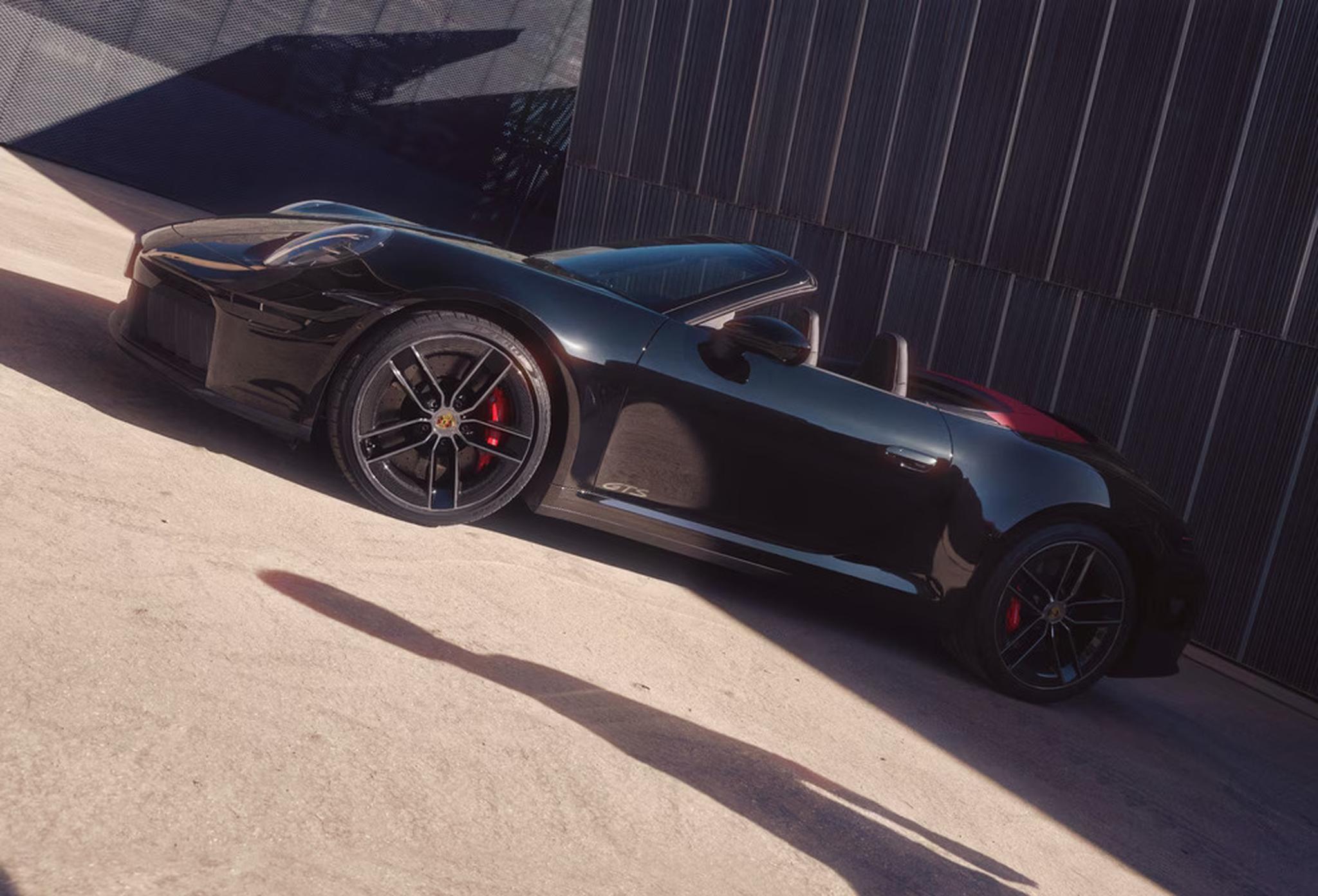
The 911 Carrera Cabriolet carries a 3.0-liter twin-turbocharged boxer six, producing 388 hp and 331 lb-ft of torque, paired with the 8-speed Porsche Doppelkupplung (PDK). That combination delivers a 4.1-second 0-60 mph time and a 181 mph top track speed. With the optional Sport Chrono Package, the sprint tightens to 3.9 seconds. The engine's flat layout, mounted behind the rear axle, produces the rear-weight bias that defines how a 911 Carrera steers and responds. Standard equipment includes Porsche Active Suspension Management (PASM), with electronically controlled dampers switchable between Normal and Sport, and six-piston aluminum monobloc front brake calipers paired with cross-drilled 350mm discs.
The Corvette Stingray Convertible uses a 6.7-liter naturally aspirated V8 producing 535 hp and 520 lb-ft of torque, also paired with an 8-speed dual-clutch transmission. The horsepower and torque figures are substantially higher on paper, and the front-engine, rear-drive layout produces a different dynamic character. Standard Brembo brakes with 4-piston calipers front and rear are included. The Stingray also offers the available Z51 Performance Package, which adds an electronic limited-slip differential, performance ratio rear axle, and upgraded suspension.
Both engines are rear-wheel-drive gasoline sports cars with dual-clutch transmissions, but the turbocharged flat-six in the 911 Carrera Cabriolet achieves 21 combined mpg against the Corvette's 18.
Interior, Space, and Cargo
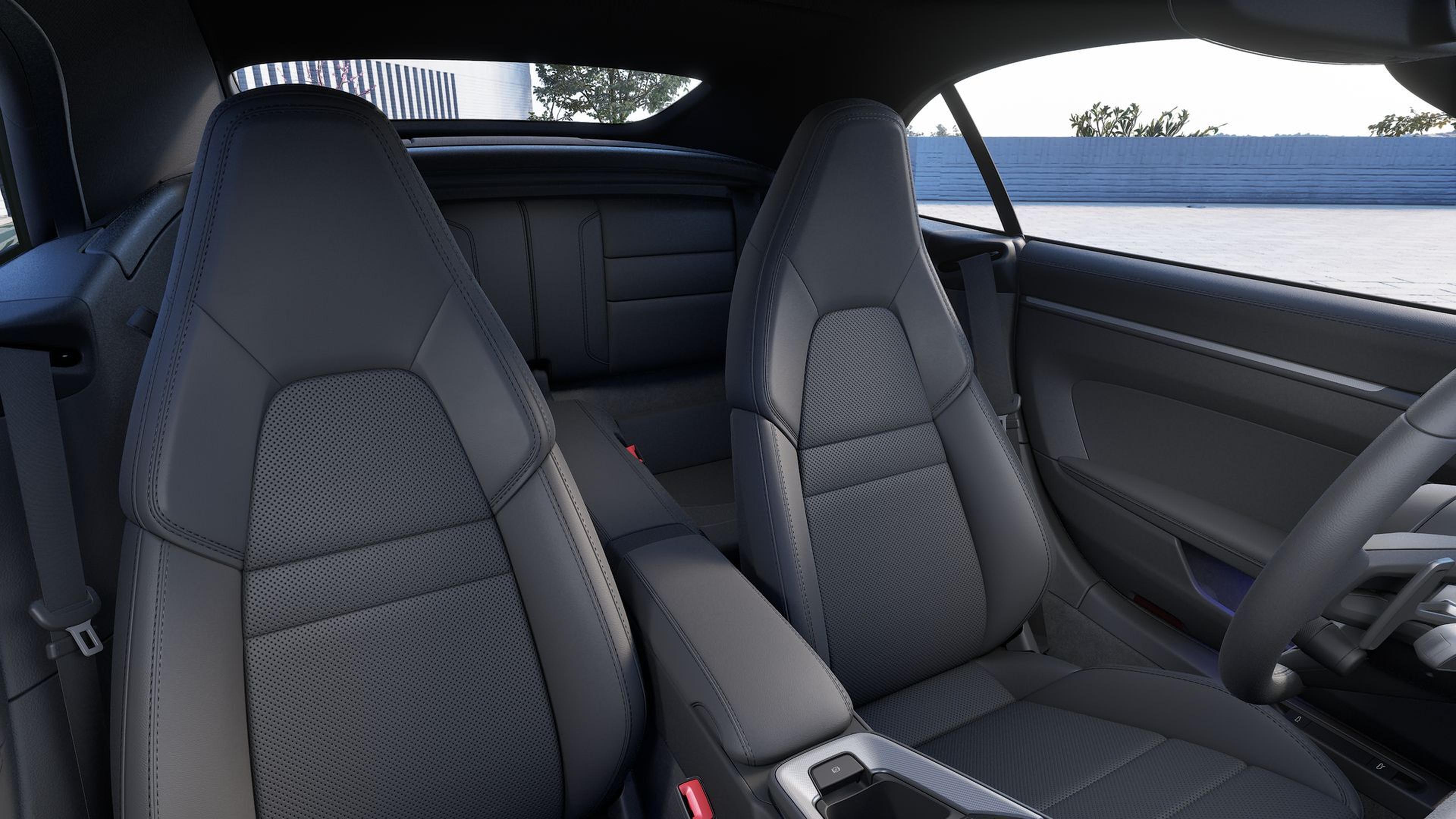
The 911 Carrera Cabriolet seats four, with a 2+2 rear arrangement and foldable backrests, making it a genuine choice for occasional passenger carrying. The front luggage compartment offers 4.8 cubic feet of storage. Standard Sport Seats (4-way) include electric adjustment of backrest angle and seat height for driver and front passenger, and heated front seats come standard. The electrically operated fabric roof includes three integral magnesium elements and a heated rigid glass rear window, operable up to approximately 37 mph. An electrically powered wind deflector integrates with the roof system.
The Corvette Stingray Convertible seats two, with no rear passenger provision. Trunk volume in the Corvette is 12.6 cubic feet, substantially more than the front trunk in the 911 Carrera Cabriolet. The 1LT model includes GT1 bucket seats; the 2LT and 3LT models add heated and ventilated seats. The power-retractable hardtop can be operated at speeds up to 30 mph. For a buyer who occasionally needs two rear seats, even occasionally, the 911 Carrera Cabriolet is the only choice in this comparison.
Technology and Safety
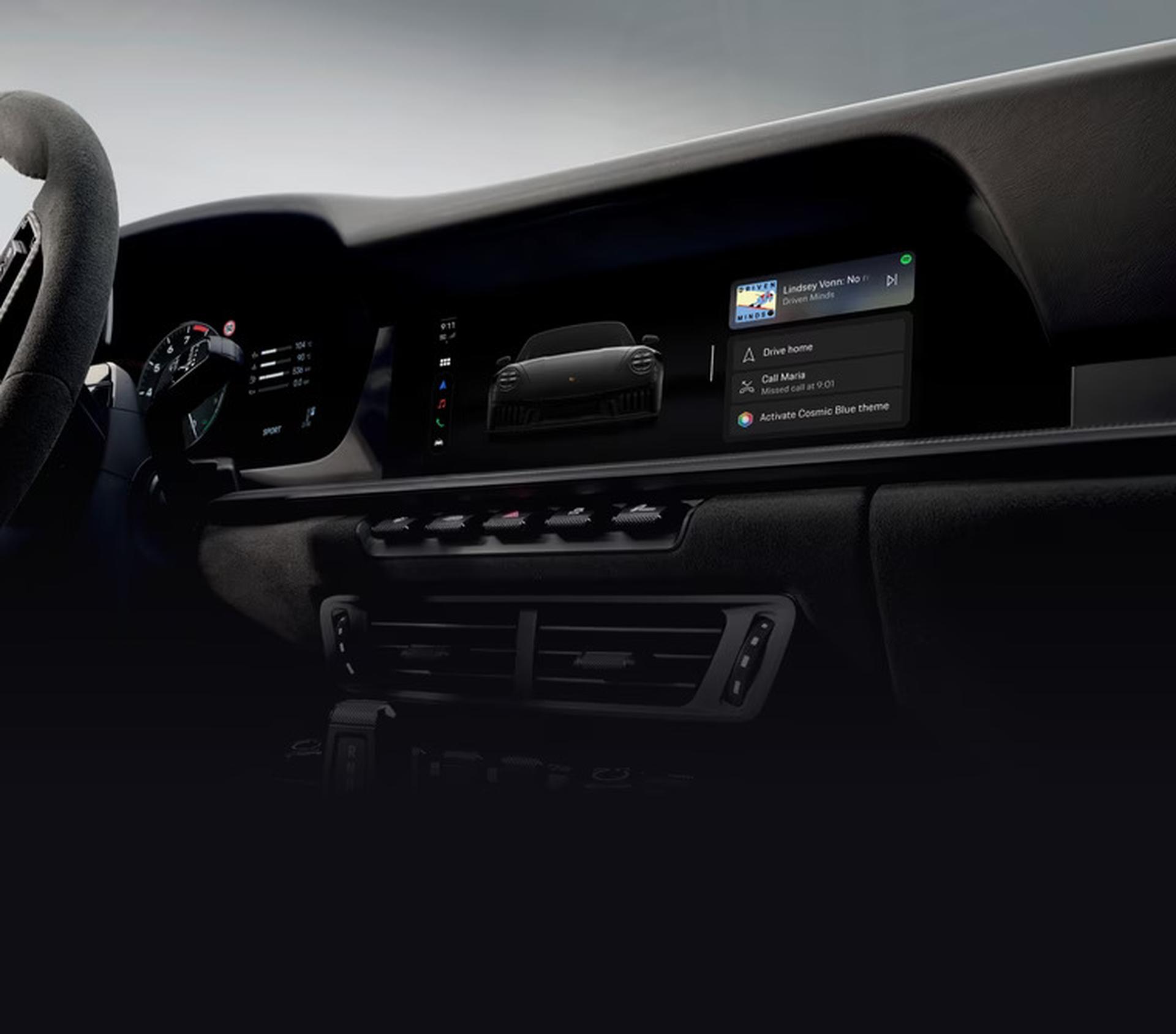
The 911 Carrera Cabriolet includes Matrix Design LED headlights, the Porsche Communication Management (PCM) system with navigation, a magnetic wireless phone charger (up to 25 W), USB-C ports, voice control, and SiriusXM with 360L. Standard driver assistance includes Lane Keep Assist, Warn and Brake Assist, Traffic Sign Recognition, ParkAssist with reversing camera, and a two-zone automatic climate control system.
The Corvette Stingray Convertible features a 12.7-inch infotainment display with Google Built-In, a 14-inch Driver Information Center, and a 6.6-inch auxiliary touchscreen. Wireless Apple CarPlay and Android Auto are standard across all models. Safety systems include Forward Collision Alert, Automatic Emergency Braking, Front Pedestrian and Bicyclist Braking, and Lane Keep Assist with Lane Departure Warning. The 1LT includes an HD rear vision camera; the 2LT and 3LT add HD front cameras, Side Blind Zone Alert, and Rear Cross Traffic Alert. A Performance App with real-time horsepower and torque graphs is available.
Value and Ownership
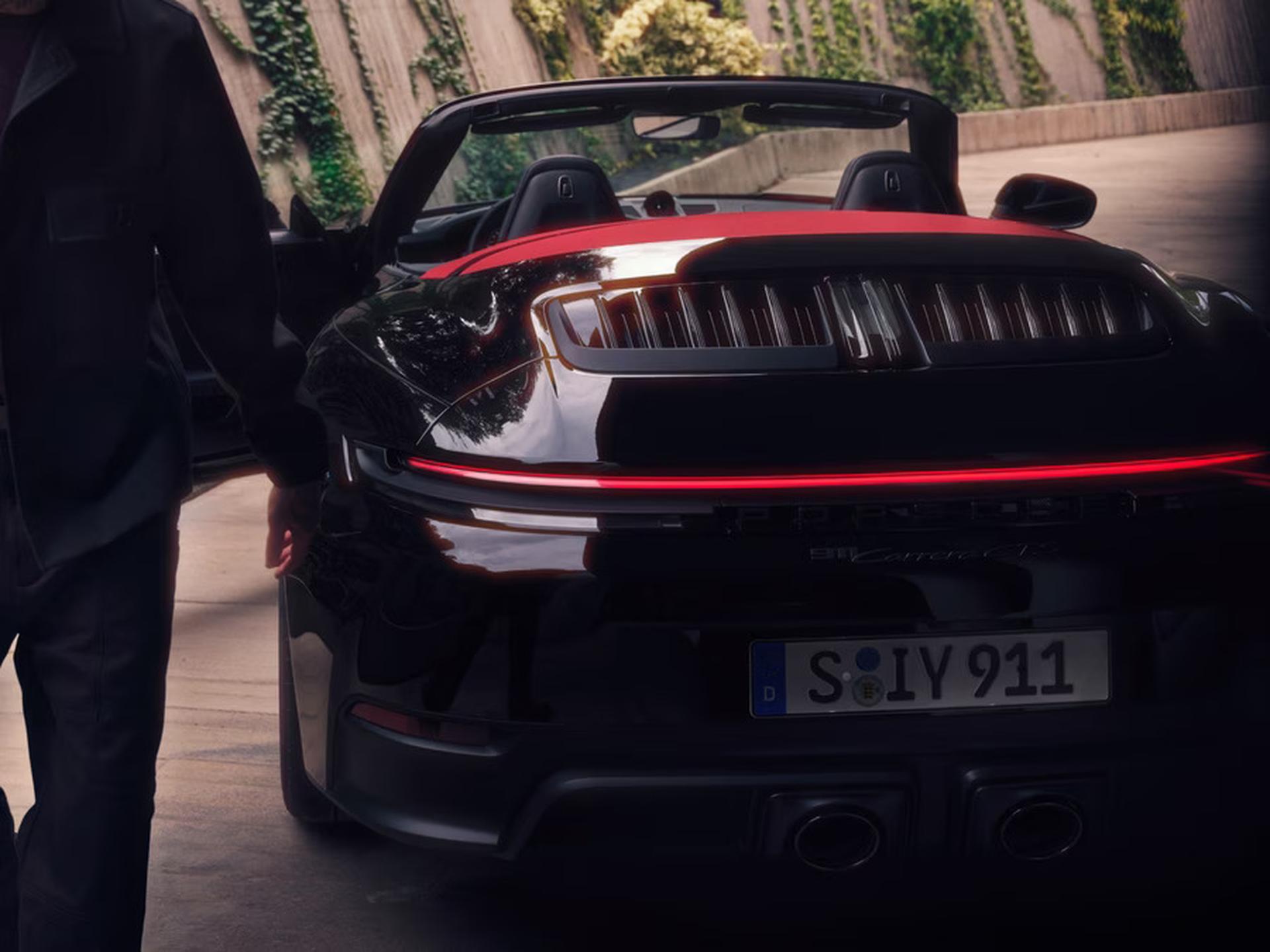
The 911 Carrera Cabriolet carries a four-year, 50,000-mile basic warranty that covers the entire vehicle, matching its powertrain coverage. The Corvette Stingray Convertible offers a shorter three-year, 36,000-mile basic warranty, though its powertrain coverage extends further to five years or 60,000 miles. Chevrolet includes a covered maintenance visit for the first engine oil change within the first two years. The 911 Carrera Cabriolet achieves 21 combined mpg against the Corvette's 18, a meaningful difference for buyers who drive their open-top sports car regularly through the Glendale and Milwaukee area year-round rather than as a weekend vehicle. The 3.0-liter Carrera engine's 129 hp per liter reflects engineering density; the Corvette pursues output through displacement, producing 80 hp per liter from a 6.7-liter engine.
Which One Should You Buy
2027 Porsche 911 Carrera Cabriolet
Choose the 2027 Porsche 911 Carrera Cabriolet if your priority is the rear-engine driving character that has defined sports car performance for more than seven decades, four-seat open-air capability, superior fuel economy, and comprehensive warranty coverage from the first day of ownership. The 911 Carrera Cabriolet also fits the buyer who will use the car regularly and values the balance of everyday usability alongside genuine performance.
2027 Chevrolet Corvette Stingray Convertible
Choose the 2027 Chevrolet Corvette Stingray Convertible if maximum horsepower and torque are the primary criteria, and if two-seat occupancy is sufficient. The Corvette also appeals to buyers drawn to front-engine V8 character and a wider ecosystem of exterior and interior personalization options at the point of configuration.
Buyers in the greater Milwaukee area, from Brookfield to Shorewood, who want the combination of capability and refinement in the 911 Carrera Cabriolet can view current models in inventory through Porsche Milwaukee North.
See the 2027 911 Carrera Cabriolet at Porsche Milwaukee North in Glendale
The 2027 Porsche 911 Carrera Cabriolet arrives at Porsche Milwaukee North with 388 hp, a fabric roof that opens at up to 37 mph, Matrix Design LED headlights, standard PASM, and seating for four. The Corvette Stingray Convertible is a serious machine, but the 911 Carrera Cabriolet represents a rear-engine open-top sports car refined continuously since the 1960s. Contact Porsche Milwaukee North in Glendale to arrange a drive.
Frequently Asked Questions
Is the 2027 Porsche 911 Carrera Cabriolet faster than the Corvette Stingray Convertible?
The 911 Carrera Cabriolet reaches 60 mph in 4.1 seconds and has a top track speed of 181 mph. The 2027 Corvette Stingray Convertible produces 535 hp and 520 lb-ft, but a verified 0-60 mph time for the Convertible was not available in the confirmed specifications for this comparison.
Does the 2027 911 Carrera Cabriolet have a back seat?
Yes. The 911 Carrera Cabriolet uses a 2+2 seating arrangement with foldable rear backrests, giving it a total capacity of four passengers. The Corvette Stingray Convertible seats two only.
How does the warranty compare between the 911 Carrera Cabriolet and the Corvette Stingray Convertible?
The 911 Carrera Cabriolet carries a four-year, 50,000-mile basic warranty covering all components, with identical powertrain coverage. The Corvette Stingray Convertible provides a three-year, 36,000-mile basic warranty and a five-year, 60,000-mile powertrain warranty.
Which convertible is more fuel efficient?
The 2027 Porsche 911 Carrera Cabriolet is rated at 21 combined mpg. The 2027 Chevrolet Corvette Stingray Convertible is rated at 18 combined mpg (15 city / 25 highway).
Can I test drive the 2027 911 Carrera Cabriolet near Milwaukee?
Yes. Porsche Milwaukee North is located in Glendale, WI, and serves drivers from across the greater Milwaukee area, including Brookfield, Shorewood, and Wauwatosa. Use the link above to schedule a drive or view available models in inventory.
What engine does the 2027 Porsche 911 Carrera Cabriolet use?
A 3.0-liter twin-turbocharged horizontally opposed six-cylinder engine producing 388 hp and 331 lb-ft of torque, paired with an 8-speed Porsche Doppelkupplung (PDK) transmission and rear-wheel drive.